

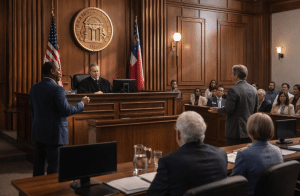
 After the sudden and devastating loss of a loved one, one of the first legal questions families ask is: Will this case go to trial, or will it settle? Sadly, the answer isn’t as simple as “yes” or “no.” Many factors influence how a wrongful death case in Georgia unfolds—and understanding them can help you prepare, make informed decisions, and choose the right legal strategy.Below, we’ll walk through:
- What most wrongful death cases look like in Georgia
- Why settlements are common
- When and why cases go to trial
- Practical examples of both outcomes
- How an experienced attorney shapes the process
Most Georgia wrongful death cases settle before trial
The vast majority of wrongful death cases in Georgia do not end up in trial. According to the firm’s own wrongful death resource, over 90% of wrongful death cases settle out of court. This means the parties reach an agreement on compensation without a formal jury verdict.
Settlements offer benefits that often matter deeply to families:
- Quicker resolutions so families don’t wait years for justice
- Privacy, since settlement terms usually aren’t part of the public record
- Reduced stress, avoiding the emotional weight of a trial
Insurance companies generally prefer settlements too, because trials can be unpredictable, expensive, and risky for them. Spending time preparing for a realistic settlement negotiation shows strength and readiness to proceed toward trial if needed, which is often key to a fair result.
However, even though most cases settle, every case is unique, and settlement is not automatic.
What factors make a settlement more likely
While each case is different, these common factors usually push wrongful death cases toward settlement:
1. Strong evidence of liability and damages
Where evidence clearly shows negligence (such as police reports, video footage, and medical records), defense insurers often recognize the likelihood of losing at trial and will offer a fair settlement early.
2. Clear and documented damages
Compelling documentation of damages—like medical expenses, lost income, and the emotional impact on survivors—gives insurers a clearer baseline for a settlement offer. Families with well-documented damages are often in a stronger bargaining position.
3. Experience and reputation of the attorney
Insurance companies monitor lawyers. They know which attorneys are willing to try cases and secure verdicts rather than those who only negotiate settlements.
As Tobin Injury Law highlights on its firm page, many personal injury and wrongful death matters settle—but the firm also notes that carriers pay attention to whether a lawyer is afraid to litigate or will prepare a case for trial. This reputation for trial readiness can directly influence settlement outcomes.
When a Georgia wrongful death case might go to trial
Even though settlements are common, trials do still happen—and sometimes they are the best outcome for the family’s interests.
Here are some situations that make a trial more likely:
1. The insurance company refuses a fair offer
Insurance adjusters sometimes minimize the value of a case or deny responsibility. If their offers remain unreasonably low or absent, the only way to obtain accountability and fair compensation may be through a jury trial.
2. Liability is contested
If the defendant disputes fault—claiming your loved one was partly or fully responsible for the accident—your attorney may need to present the case before a judge or jury to resolve that dispute.
3. The damages are very serious or complex
In cases with catastrophic impact—such as the loss of a primary family wage earner, or multiple survivors depending on the deceased’s income—settlement negotiations can break down. A jury may be more willing to award the full value of life damages that appropriately reflect the losses than an insurer will offer in negotiations.
4. The family wants a jury trial
Even if a settlement offer is on the table, families have the right to a jury trial. Some families choose this route for closure, accountability, or because the proposed settlement does not reflect their needs or the truth of the loss.
Real-world examples: settlement and trial outcomes
Settlement example
Tobin Injury Law references a $22.7 million wrongful death settlement in a Georgia motor vehicle case. This large pre-trial settlement reflects how a prepared legal team—with strong evidence and trial readiness—can work with the defense to reach a significant resolution without a jury verdict.
Settlements like this often occur when:
- Liability is clear
- Damages are significant and supported by expert testimony
- The attorney has leverage to demonstrate that a jury could award more
Trial example
Trials, while less common, still happen—especially where insurance carriers dig in or dispute liability. In cases where disputes are sharp and the facts are contested, attorneys must go to court and present evidence in front of a jury.
While information on specific trial results for Georgia wrongful death cases isn’t always public, a well-prepared trial strategy can yield seven-figure jury verdicts in similar personal injury contexts, particularly when lawyers demonstrate in court both liability and the comprehensive value of the loss.
How settlement negotiations typically work
Settlement discussions often start long before trial:
- Early demand letter: Your attorney sends a detailed demand to the insurer, outlining liability, damages, and supporting evidence.
- Insurance response: The defense reviews and either makes an offer, counters, or denies responsibility.
- Negotiations: Your lawyer negotiates offers up or defends against lowball proposals.
- Mediation (optional): A neutral mediator may help find a middle ground.
- Agreement or trial preparation: If an agreement is reached, the case settles. If not, trial preparation intensifies.
How trial preparation strengthens settlement potential
A key benefit of preparing for trial—even if a family hopes to settle—is that it makes the settlement negotiations stronger. When defense counsel sees that a case is ready for trial—complete with evidence, experts, a clear narrative, and cross-examination strategies—they are more likely to make a reasonable settlement offer.
This is one reason why families often choose attorneys with trial experience rather than lawyers who only aim to settle. Preparing for trial doesn’t mean you want to go to trial—it means you have the strongest possible foundation for negotiation.
External perspective: settlements are common nationwide
While Georgia wrongful death statistics are specific, the broader legal landscape shows a similar trend: wrongful death and personal injury claims most often resolve through settlement rather than trial. National data suggests settlements happen in the majority of cases because they provide predictability, cost savings, and control over outcomes compared to jury verdicts.
Key takeaways for Georgia families
- Most cases settle in Georgia (over 90%). Families generally resolve wrongful death claims without a jury.
- Trials still happen when insurers refuse fair offers, liability is disputed, or families choose a jury verdict.
- Attorney strategy matters. Lawyers who prepare for trial and build strong evidence can often negotiate better settlements.
- Communication is important. Understanding potential timelines, risks, and outcomes helps families make informed decisions.
- Every case is different. The unique facts, damages, available evidence, and insurance responses shape the outcome.
A wrongful death case is more than just numbers and negotiations—it’s about honoring your loved one’s life while securing justice and financial stability for the people who depended on them. Speaking with an experienced Atlanta wrongful death attorney can help clarify what’s likely for your case and what steps will give your family the best position in settlement talks and, if needed, in court.