

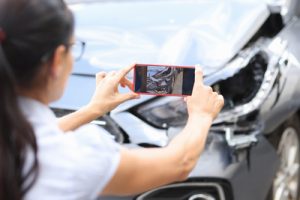
 A car accident can leave you feeling overwhelmed, shaken, and unsure of what to do next. But one of the most important steps you can take—after ensuring safety and calling 911—is collecting the right evidence. The facts you gather at the scene can make or break your injury claim.
In Atlanta, where traffic is busy and insurance disputes are common, strong evidence helps prove what happened, who is at fault, and how the crash has impacted your life. This guide breaks down the most important evidence to collect after an Atlanta car accident and explains why it matters.
Why Evidence Matters in Georgia Car Accident Claims
Georgia is a fault state, which means the at-fault driver is responsible for paying damages. Insurance companies often look for reasons to reduce or deny claims, so the evidence you gather at the scene becomes critical.
Collecting evidence helps you:
- Prove how the accident happened
- Document injuries and property damage
- Establish fault
- Support your insurance claim
- Strengthen your case if a lawsuit becomes necessary
Even if the accident seems minor, proper documentation protects you from unexpected insurance disputes or false claims.
1. Photos and Videos of the Scene
Visual evidence is one of the most persuasive tools in a car accident claim. It preserves details that may fade or be disputed later.
Be sure to capture:
- Vehicle damage from multiple angles
- The overall accident scene (intersection, traffic lights, lanes, street signs)
- Skid marks or debris on the road
- Road conditions, including potholes, wet pavement, or construction zones
- Weather and lighting conditions
- Your visible injuries
Take wide shots, close-up shots, and panoramic views. Videos showing the scene from multiple perspectives are extremely helpful.
2. Photos of All Vehicles Involved
This includes:
- Damage to your vehicle
- Damage to the other driver’s vehicle
- License plates
- Position of vehicles before they’re moved
The more detail, the better. Small details can reveal the force of impact or how the crash occurred.
3. Driver Information
Be sure to collect the other driver’s:
- Full name
- Phone number
- Address
- Driver’s license number
- Insurance company and policy number
- Vehicle make, model, and year
- License plate number
Take photos of the license and insurance card to avoid transcription mistakes.
4. Witness Statements and Contact Information
Witnesses can play a crucial role, especially when fault is disputed.
Get their:
- Full name
- Phone number
- Email address
If they’re willing, ask them to describe what they saw while you record their verbal statement on your phone.
Witness statements often keep insurance companies from unfairly shifting blame.
5. Police Report Information
In Atlanta, the police report is one of the most important documents in a car accident case. Officers record:
- Driver statements
- Accident diagrams
- Witness observations
- Whether citations were issued
- Insurance information
Before leaving the scene, get:
- The report number
- The officer’s name and badge number
Once ready, the full report can be obtained through APD or online systems.
6. Notes About What Happened
While the scene is fresh in your mind, write down:
- What you were doing just before the crash
- How the collision happened
- What the other driver said or did
- Whether the other driver appeared distracted, impaired, or aggressive
These personal notes can be extremely valuable later.
7. Documentation of Injuries
If you suffered visible injuries, document them immediately.
Take photos of:
- Cuts
- Bruises
- Swelling
- Broken bones
- Airbag burns or abrasions
Continue documenting injuries as they progress. Bruises, for example, often look worse 24–48 hours after a crash.
8. Damage to Personal Items
Compensation may cover:
- Phones
- Glasses
- Laptops
- Car seats
- Clothing
Photograph damaged items at the scene and keep them stored safely.
9. Dashcam Footage (If Available)
Dashcam recordings can provide real-time proof of:
- How the accident occurred
- What traffic conditions looked like
- Whether the other driver was speeding or driving erratically
Save the footage immediately to avoid losing valuable evidence.
10. Evidence of Road or Environmental Hazards
Some accidents are caused or worsened by:
- Missing or obscured traffic signs
- Malfunctioning traffic lights
- Construction zones
- Poor road maintenance
If any of these contributed to the crash, document them thoroughly.
Why Collecting Strong Evidence Helps Your Claim
Insurance companies often try to minimize payouts by disputing:
- How the crash occurred
- Whether you were injured
- Whether the injuries predated the accident
- The severity of the impact
Thorough evidence helps counter these tactics.
For example, understanding how insurance companies make decisions can be helpful. You can learn more here: How does insurance affect my car insurance premium in Atlanta?
What If You’re Too Injured to Collect Evidence?
Not all victims are able to gather evidence at the scene. In these cases:
- Request that a passenger or witness take photos
- Ask the responding officer for information
- Save all medical records
An experienced attorney can help gather missing evidence later through:
- Subpoenas
- Accident reconstruction experts
- Surveillance footage requests
- Witness interviews
How Tobin Injury Law Uses Evidence to Strengthen Your Case
Evidence is the foundation of a strong personal injury claim. The team at Tobin Injury Law uses the evidence you gather, along with additional investigation, to:
- Reconstruct the crash
- Identify all liable parties
- Challenge insurance company arguments
- Calculate full damages
Their proven results show how thorough evidence can lead to meaningful outcomes.
Collecting the right evidence after an Atlanta car accident is one of the most powerful ways to protect your legal rights. The more information you gather, the stronger your claim becomes—and the better your chances of securing full compensation. If you’ve been injured and need help understanding what evidence matters most, you can speak with a lawyer at Tobin Injury Law. Their team is experienced, responsive, and ready to help you navigate the process.